
Are Illinois Arrest Records Public?
In Illinois, the short answer is yes, with limits. Basic arrest details are public for most adults. Agencies must release that information quickly, within 72 hours at the latest. Exceptions exist for a pending proceeding, personal safety, and correctional-facility security. Juvenile law-enforcement records play by stricter rules. A live roster lists only people still in custody. And a booking photo may not exist or may never be posted at all.
The paper trail splits three ways. The arresting agency keeps the report. The jail holds the booking entry and photo. The circuit clerk holds the filed case. So a name missing from one screen proves little. The person may have been released, transferred, booked elsewhere, or shielded by a legal restriction. A later court action can also dismiss or reduce charges in ways the original booking entry never shows.
Treat every roster as a starting point. Confirm the details with the office that posted them, and check the date. A jail roster is not a court record.
Illinois Arrest Information Rules
The access rule sits in one statute. The Illinois Freedom of Information Act holds the rule. Section 2.15, 5 ILCS 140/2.15, lists what a public body must provide about an arrest. The clock is 72 hours. The list covers name, age, and address. It also covers charges, arrest time and place, the arresting agency, and certain incarceration, discharge, or transfer dates. A photo falls under the phrase "when and if available." Remember, this is access to records that already exist. No statute orders the state to build one searchable roster across all counties. It also does not force an agency to create a new report.
The 72-hour rule has real limits. It does not promise an online post. Section 2.15 allows withholding when disclosure would interfere with a pending or reasonably contemplated proceeding. It also protects personal safety and facility security. Juvenile Court Act confidentiality still controls. A good request names the agency. It also names the exact item, such as an arrest report, booking sheet, or image. Asking for every arrest in Illinois invites trouble. That asks an office to compile a statewide record it simply does not keep.
The current text of section 2.15 shows every field and every exception in one place. For Illinois booking photos, its phrase "photograph, when and if available" is the realistic statewide expectation. The statute sets a floor for public information, while each agency still applies its listed exceptions.
Illinois Mugshot Publication Limits
Two Illinois rules get mixed up constantly. The arrest-information statute allows access to a booking photo when one is available. A separate provision, 5 ILCS 140/2.15(e), restricts what police may post on social media. The restriction covers lower-level matters: civil, petty, and business offenses, plus Class C and Class B misdemeanors. Exceptions apply. Police may still post to locate a missing person, a fugitive, a person of interest, or someone wanted in connection with a different crime.
That social-media rule is narrow. It is not a blanket ban on booking photographs. It does not require a sheriff to post photos, and it does not block a lawful records request. Photos still may not appear in every system. A county roster can omit images entirely. The arresting agency may follow its own policy. News coverage of an arrest answers to different rules than an agency's social page.
The 5 ILCS 160/4a provision in the State Records Act carries a related limit. The official records-law page displays the full wording.
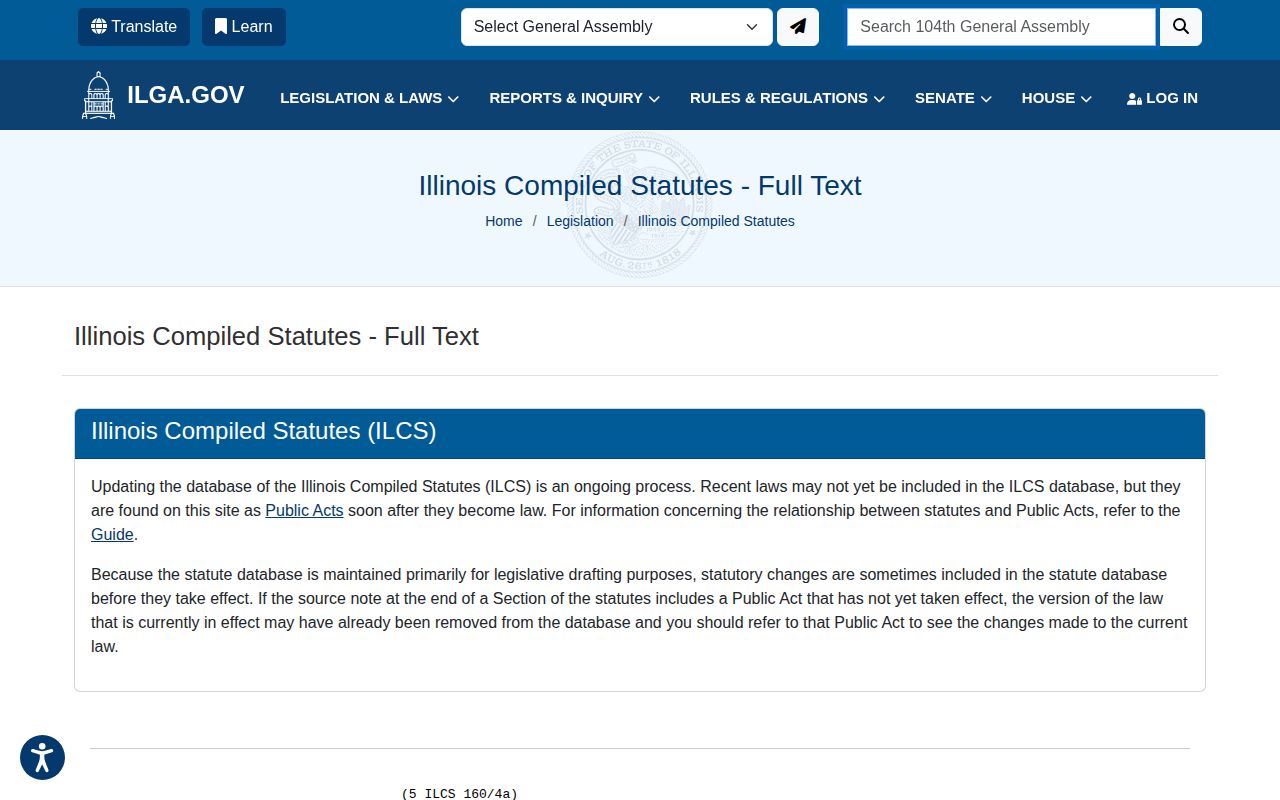
A restricted social post, a public records response, and a county roster are three different publication channels. Keep the distinction straight.
Juvenile Arrest Records in Illinois
Under 705 ILCS 405/1-7, law-enforcement records for a person investigated, arrested, or taken into custody before age 18 are confidential and may not be made public or widely available except through routes the statute allows. A public release may not identify the minor. The law permits an officer to show a photo to a victim or witness in the officer’s presence for a defined investigative purpose; that does not authorize an open web post.
Do not copy a juvenile name or photo from an unofficial listing. If a lawful need exists, ask the agency or circuit clerk about the applicable route. Juvenile custody records are governed by additional Juvenile Court Act provisions and are kept apart from ordinary adult records. A search that returns no public match may reflect the law rather than an incomplete name search.
The official Juvenile Court Act section 1-7 sets those limits. The screenshot shows the statute’s confidentiality rule, not a person’s file.
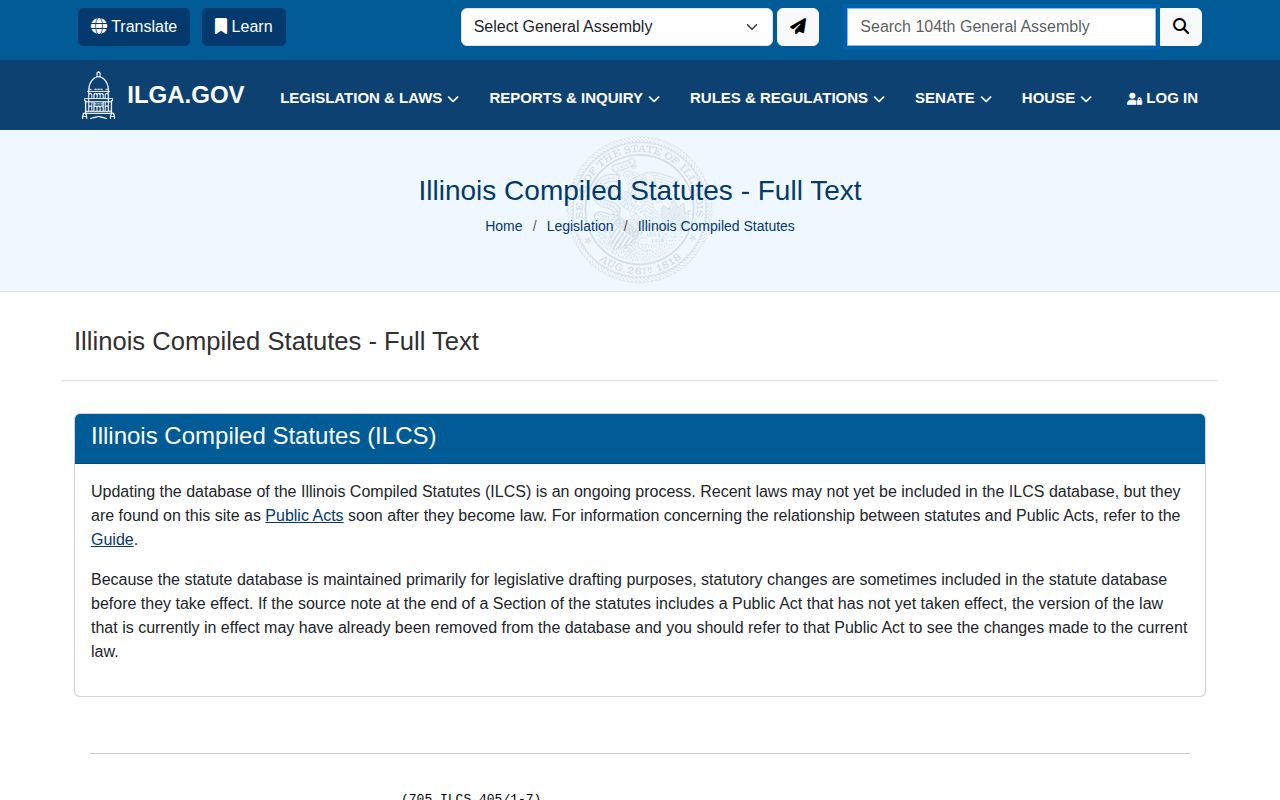
The source rule protects identity and access; it does not change the separate public-record rules for adult arrests.
Sealing and Expungement in Illinois
Expungement and sealing are two different things in Illinois. Expungement can erase arrests. Qualifying charges end in acquittal, dismissal, release without charging, or a reversed or vacated conviction. Some supervision and probation records qualify too, minus offense-based exclusions. The listed nonconviction outcomes carry no general waiting period. Qualifying supervision usually adds a two- or five-year wait. Qualified probation generally takes five years. These are broad categories only, not an eligibility ruling for any case. The exact disposition and statutory subsection control the answer.
Sealing reaches a wider record set. It includes many convictions but brings its own exclusions and wait periods. Nonconviction records may be sealed at any time under the statute. Many supervision records use two years after the last sentence. Convictions and some felony records commonly use three. Exceptions can shift that timing, including education-based provisions and registration-related delays. Compare the case outcome with the current statute or get legal help before filing.
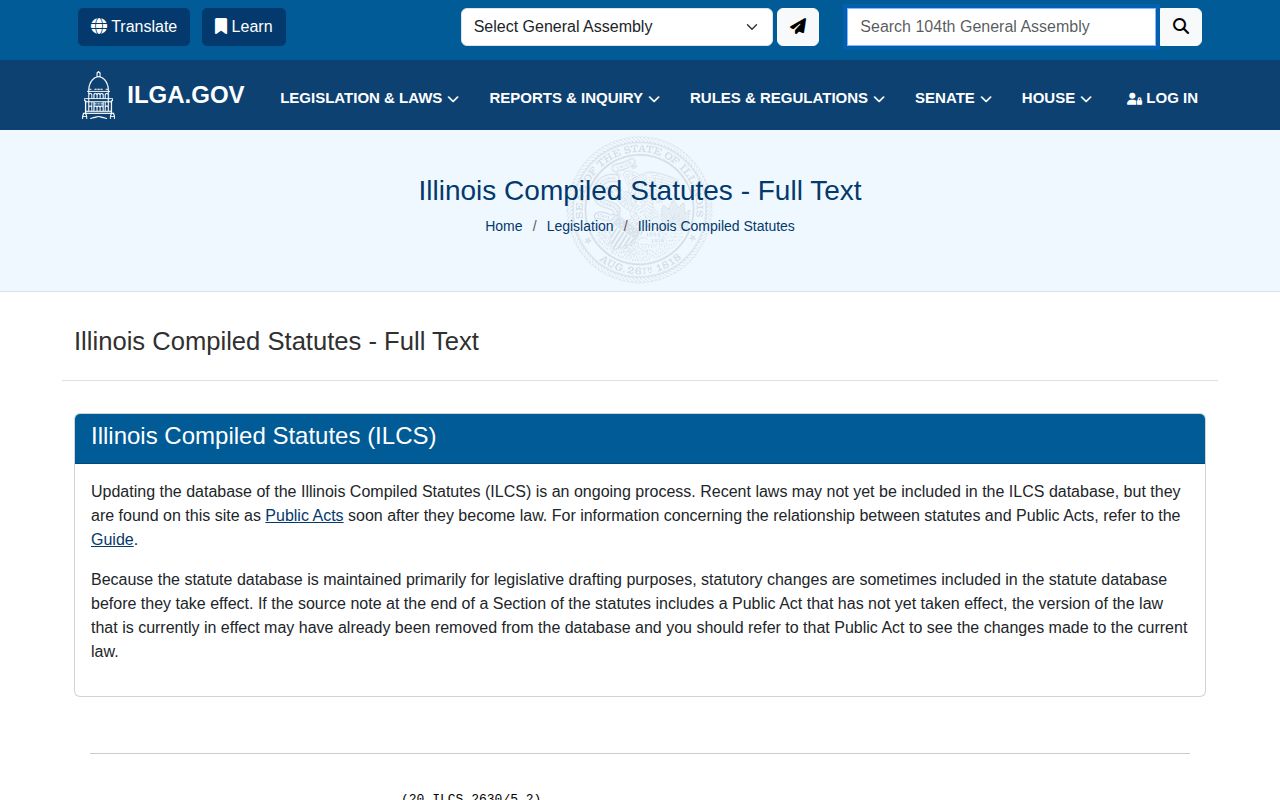
A petition usually goes to the circuit court in the county of the arrest or charge. The State's Attorney, ISP, arresting agency, and other required local officers receive notice. Objections generally get 60 days. Once an order is entered and served, agencies generally have 60 days to update records. Illinois also set an automatic-sealing schedule starting January 1, 2029 for eligible records created on or after January 1, 1970, with staged dates covering 2005 to 2028, 1990 to 2005, and 1970 to 1990. That future schedule does not seal anything today. Read 20 ILCS 2630/5.2 for the eligibility rules. The official statute text is displayed there. An order changes agency access and responses, though a clerk's system may lag after service.
The official Illinois Courts forms page carries current petitions and instructions for adult and juvenile cases.
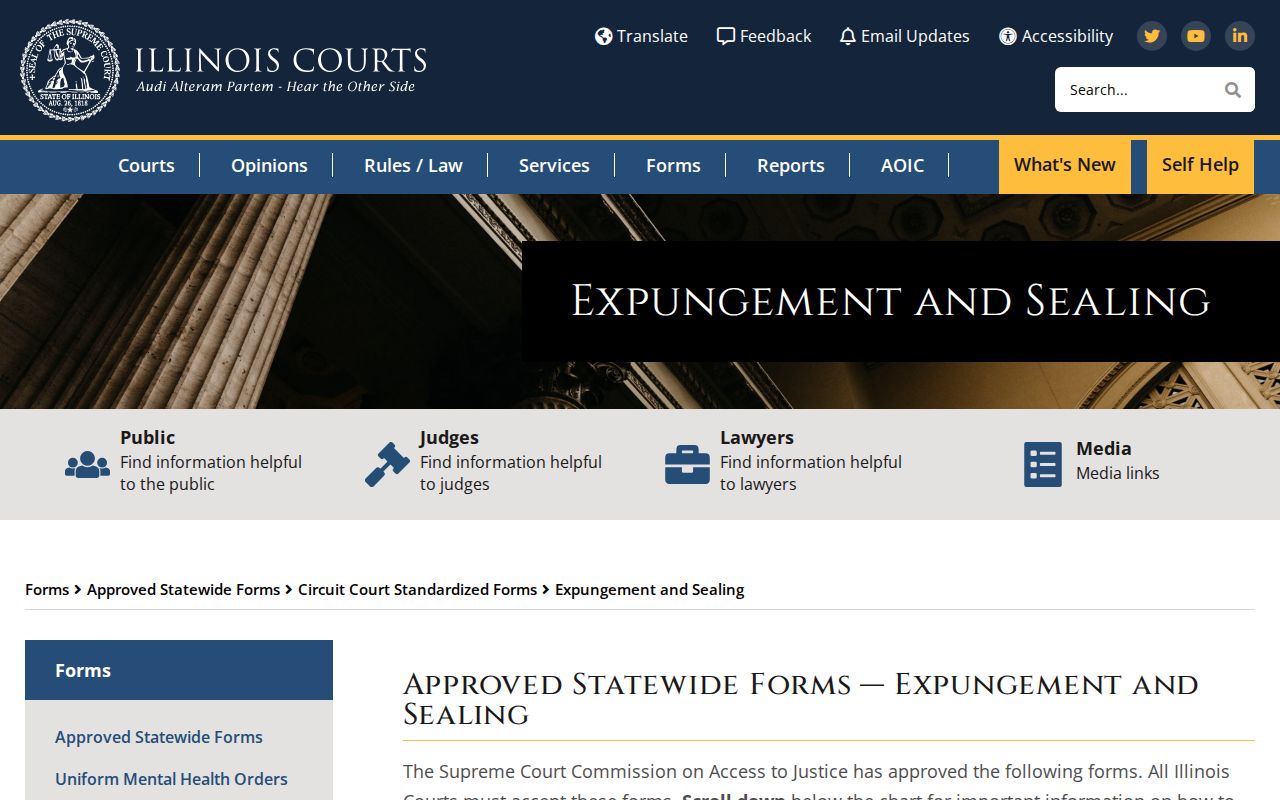
Follow the instructions in the current form set. County rules and record history can change filing and notice steps.
Correcting an Illinois Record
Section 2QQQ targets criminal-record publishers. It comes from the Consumer Fraud and Deceptive Business Practices Act, 815 ILCS 505/2QQQ. Charging a fee becomes unlawful. Taking other consideration counts too. The ban covers removing, correcting, modifying, or withholding covered information about a subject. Covered information spans arrest descriptions, formal charges and dispositions, justice-system photos, and identifying fields. A for-profit publisher that charges such a fee can get a certified letter. It must include documents showing an error. The statute then requires correction within five business days of documented notice. A person injured by a violation may have a statutory remedy, though coverage and exceptions matter.
Two public acts shaped this area: Public Act 100-927 in 2019 and Public Act 101-431 in 2020. The current statute controls. It carves out creative works, news media and reporters, ISP, consumer reporting agencies, and some interactive services. In Gabiola v. Sarid, a federal court let an Illinois Mugshots Act claim move past the motion-to-dismiss stage. That was not a final judgment and guarantees nothing for any particular request.
Photos also live in private indexes, news stories, and old copies. An expungement or sealing order binds official agency records and responses. Cached images and search results sit outside it. Get the court order or disposition first. Then send a documented correction request to the custodian and the publisher. Busted Newspaper offers a free correction and removal process for certain documented outcomes. RecentlyBooked charges no removal fee. It describes its free removal policy for error, duplicate, juvenile, dismissal, or expungement situations. Mugshots.com likewise describes free record maintenance. These are publisher procedures, not court orders.
| Route | What It Changes | What It Does Not Promise |
|---|---|---|
| Expungement or sealing order | Official records and agency responses under 20 ILCS 2630/5.2. | Automatic removal of every private copy. |
| Agency correction request | An inaccurate record held by the arresting agency or jail. | A change to a publisher’s independent copy. |
| Publisher’s free process | A review or update under that publisher’s stated policy. | Guaranteed approval or deletion from search caches. |
| Search-engine outdated-content request | A stale result after the source page has changed. | Removal of the source page itself. |
Search results can lag behind a changed source page. Google's outdated-content request tool targets exactly that problem. It is no substitute for contacting the publisher. Keep each request and response. Never pay anyone who promises to erase an Illinois arrest record from every site. The law addresses certain pay-to-remove practices, but the internet is not one record system.
Illinois FOIA Request Steps
The Illinois FOIA gives a practical path. That helps when a roster is too brief or no public search exists. Send requests to the office that holds the record. No single statewide arrest-record office exists. Noncommercial requests generally get an answer within five business days. A written extension is possible. Commercial requests run on a different 21-business-day track. Those deadlines govern the response, not necessarily delivery of every record. Exemptions can still apply, and agencies need not create a new statewide report. The Illinois FOIA guidance page lays out the state process. A focused request routes faster than a demand for "any and all" records.
- Name the arresting agency, sheriff, or jail that likely holds the item.
- Ask for one existing record, such as the arrest report, booking sheet, or booking photograph.
- Give the known date, location, person, agency, and case or booking number.
- Request electronic delivery and ask for an estimate before copy charges accrue.
- If access is denied or narrowed, ask for the cited exemption and any segregable portion.
An arrest report and a booking record may sit with different offices. The arresting agency documents the event. The receiving facility makes the booking entry. For an image, name the custodian and the record date. Active cases or listed safety concerns can change that. Some details may be redacted or withheld.
Looking Up Illinois Arrest Records
Start with the source that holds what you need. A county jail system answers a current-custody question. An arresting agency's report documents the arrest itself. A circuit clerk's case search shows a filed prosecution and its later disposition. These records differ because they were made at different times for different purposes. Use the Illinois State Police arrest page for ISP releases and its report-request route. For a county booking photo, identify the arresting and receiving agencies first. Then contact the county source. A roster with no result is not the end. Ask the custodian for the booking record. Ask the circuit clerk about any filed case. Public information can still be withheld under the exceptions described above. For the wider county roster and photo landscape, see the Illinois arrest and mugshot overview. It also traces the path from a local source to a statewide record.